
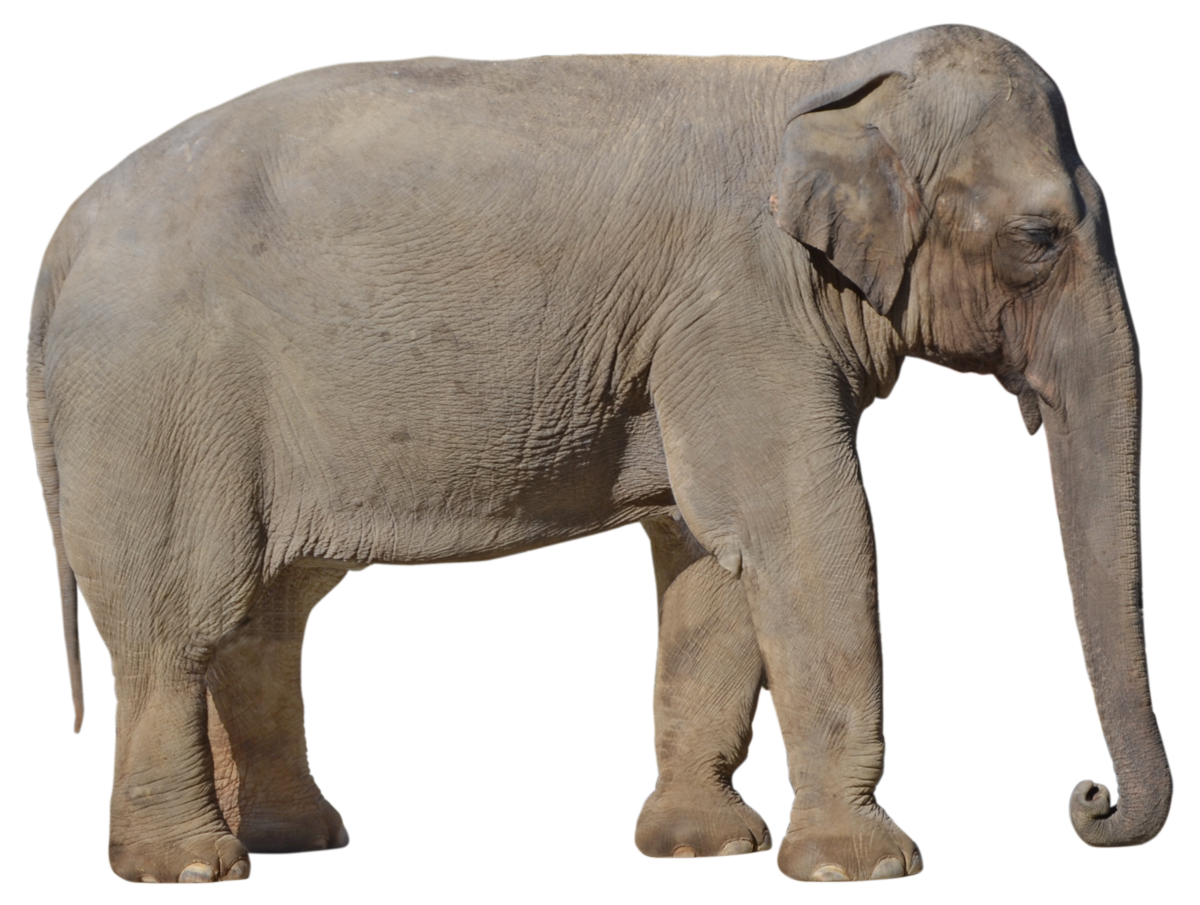
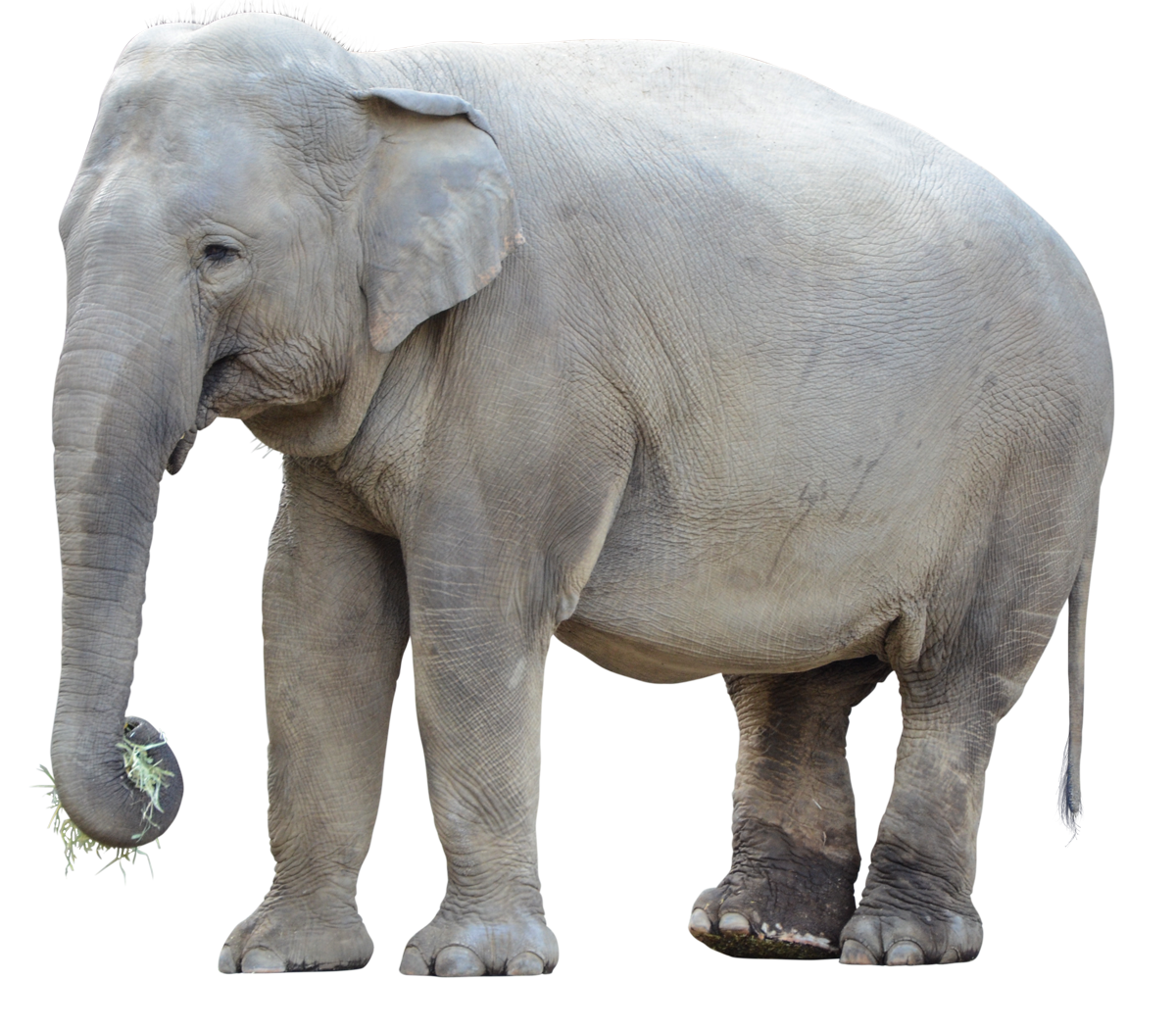
Elephas maximus (Linnaeus, 1758)
ゾウの健康は足元から
An Elephant’s Health Begins with Its Feet
アジアゾウは、頭胴長5.5~6.5m、体高2.5~3.2m、最大体重約6,700kgに達するアジア最大級の陸上哺乳類です。アフリカゾウに比べて体はやや小さく、耳が小さいことや背中が丸みを帯びることが特徴です。長い鼻は鼻と上唇が融合したもので、採食や飲水、匂いの感知、物をつかむ動作、仲間とのコミュニケーションなど多様な役割を担っています。
分布域はインド亜大陸から東南アジアにかけて広がり、インドシナ半島のほか、スリランカ島、スマトラ島、ボルネオ島などにも生息します。かつてはより広い地域に分布していましたが、森林伐採や農地開発の進行により、生息地は分断されつつあります。その結果、人里近くに現れたゾウが農作物を食害するなど、人間との衝突も深刻化しています。
アジア各地では古くから、知能が高く人に馴れやすい性質を生かし、「使役ゾウ」として人と共に暮らしてきました。林業や運搬、土木作業に従事するほか、宗教儀礼や祭礼において神聖な存在として尊ばれてきた地域もあります。日本ではかつて「インドゾウ」と呼ばれていましたが、これは動物園に導入された個体の多くがインド由来であったことに由来します。
しかし現在、象牙を目的とした密猟や生息地の縮小により、野生のアジアゾウは深刻な危機に直面しています。IUCNでは絶滅危惧種に指定され、2023年時点の推定個体数は4万~5万2千頭とされています。妊娠期間が約22か月と長く、繁殖率が低いことも個体数回復を難しくする要因です。こうした背景から、野生下での保全対策に加え、飼育下での繁殖と長期的な健康管理の重要性が高まっています。
飼育下では特に、巨大な体を支える足の健康が重視されます。足の疾患は寿命に直結するため、爪の手入れや足裏の点検など、日常的なケアが欠かせません。警戒心の強い動物であることから、幼い頃からトレーニングを行い、飼育者が安全に足裏を確認できる関係づくりが行われます。日本では2004年に神戸市立王子動物園で初めて繁殖に成功し、2023年までに16頭が誕生しました。こうした飼育下で得られた知見は、アジアゾウの未来を支える重要な基盤となっています。
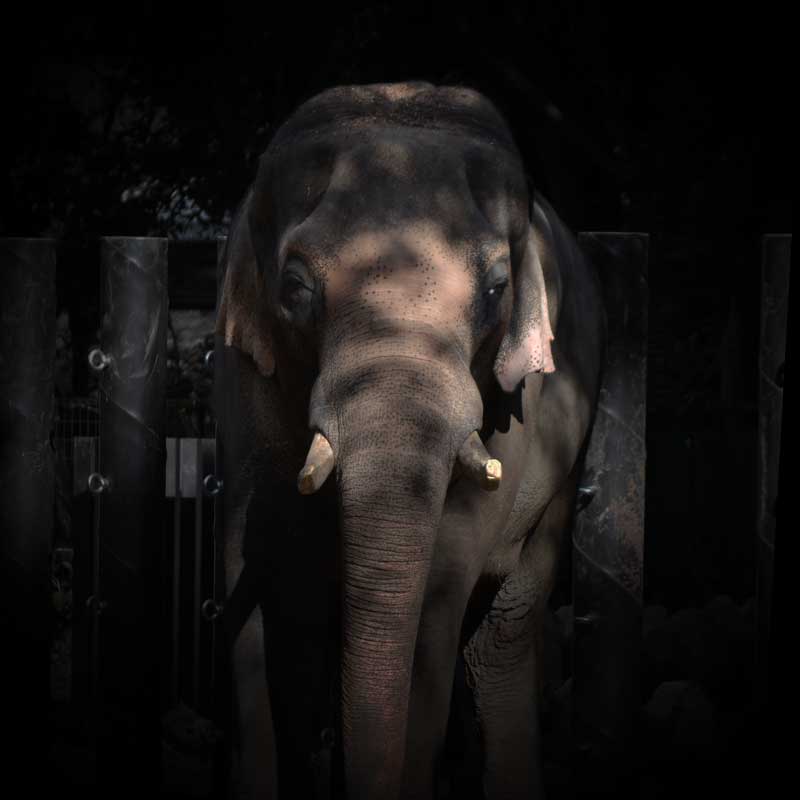
Asian elephants may develop pink areas when pigmentation in parts of their skin decreases due to aging or genetic factors.
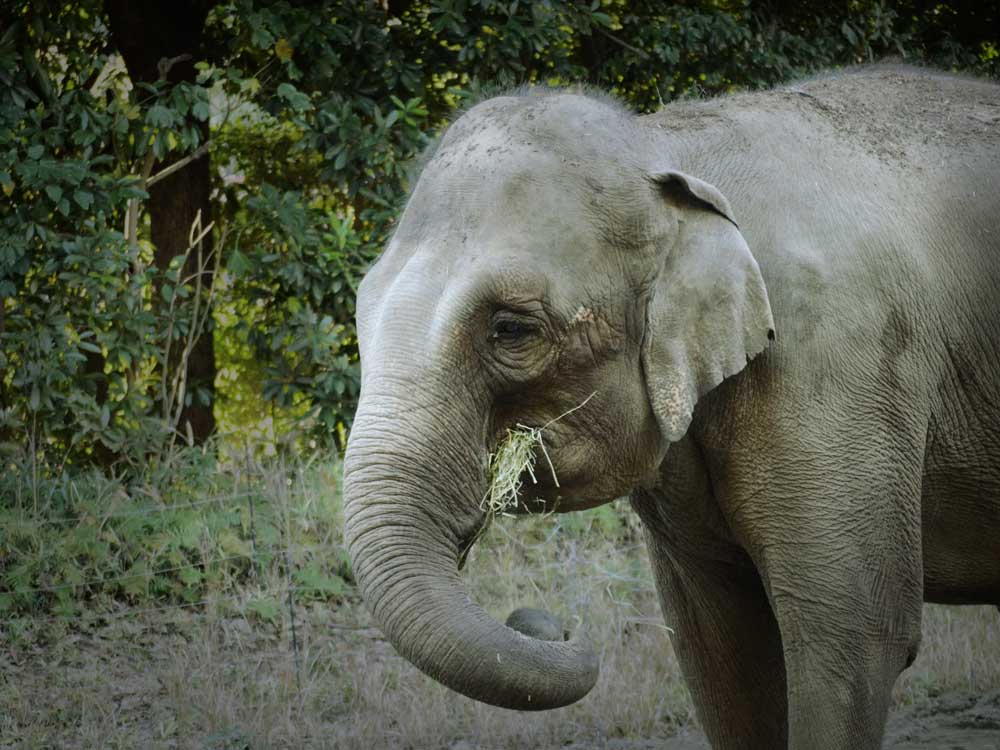
While African elephants grasp objects with the tip of their trunk, Asian elephants tend to wrap the trunk tip around objects and pull them toward themselves.
The Asian elephant is the largest land mammal in Asia, with a head-and-body length of 5.5–6.5 meters, a shoulder height of 2.5–3.2 meters, and a maximum body weight of about 6,700 kilograms. Compared with the African elephant, it is slightly smaller in overall size, has smaller ears, and a more rounded back. Its long trunk, formed by the fusion of the nose and upper lip, serves multiple functions, including feeding, drinking, sensing odors, grasping objects, and communicating with other elephants.
Its distribution extends from the Indian subcontinent through Southeast Asia, including the Indochinese Peninsula as well as Sri Lanka, Sumatra, and Borneo. Although the species once occupied a much wider range, ongoing deforestation and agricultural expansion have fragmented its habitat. As a result, elephants increasingly come into contact with human settlements, leading to serious conflicts such as crop damage.
Across Asia, Asian elephants have long lived alongside humans as “working elephants,” valued for their high intelligence and trainability. They have been used for logging, transportation, and construction work, and in some regions they have been revered as sacred animals in religious ceremonies and festivals. In Japan, the species was formerly known as the “Indian elephant,” a name derived from the fact that many individuals introduced to zoos originated from India.
Today, however, Asian elephants face severe threats from ivory poaching and continued habitat loss. The species is classified as Endangered on the IUCN Red List, and the global wild population is estimated at 40,000–52,000 individuals as of 2023. Population recovery is slow due to the species’ long gestation period of about 22 months and its low reproductive rate. For these reasons, conservation efforts increasingly emphasize not only protection in the wild but also breeding and long-term health management under human care.
In captive settings, particular attention is paid to foot health, as disorders of the feet can directly affect an elephant’s lifespan. Daily care includes trimming toenails and inspecting the soles of the feet. Because elephants are naturally cautious, training begins at a young age so that keepers can safely examine their feet. In Japan, the first successful captive breeding occurred in 2004 at Kobe Municipal Oji Zoo, and by 2023 a total of 16 calves had been born. Knowledge gained through such captive management now plays an important role in supporting the future conservation of Asian elephants.
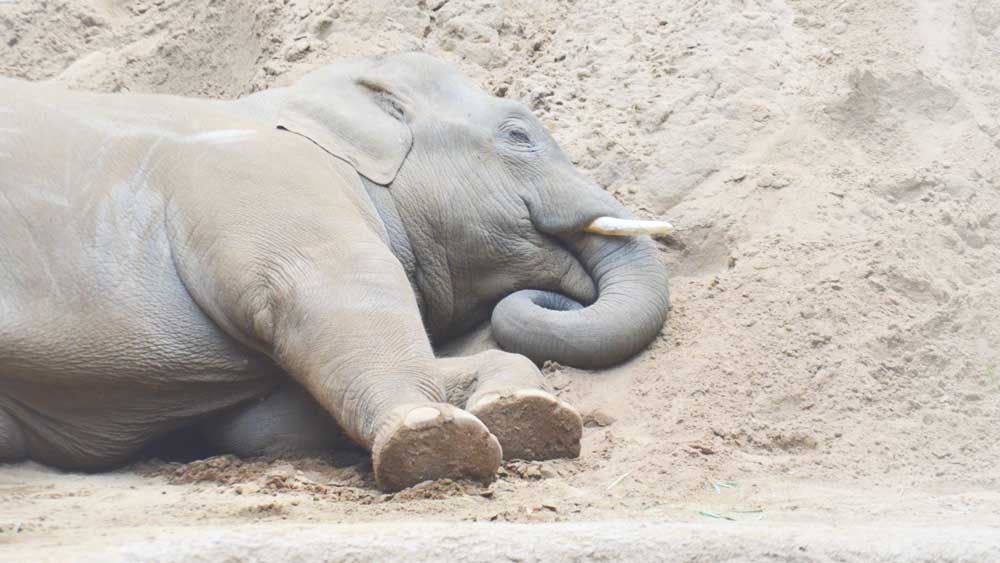
Young elephants in zoos are often seen lying down and sleeping beside their mothers, feeling safe and secure.
参考文献
WWFジャパン | アジアゾウについて | (2020年4月24日) 2024年9月15日閲覧
読売テレビ | 道浦 俊彦TIMES (2014年11月18日) | 新・ことば事情 | 5599「アジアゾウとインドゾウ」 2024年9月15日閲覧
京都市動物園 | 飼育園ブログ | 獣医室だより049 アジアゾウの爪 | (2020年2月26日) 2024年9月15日閲覧
“Asian elephant” Photo Ark, National Geographic. 2025年12月31日閲覧
“Asian Elephant (Elephas maximus) Fact Sheet: Distribution & Habitat” San Diego Zoo Wildlife Alliance. 2025年12月31日閲覧
“Management and Conservation” Asian Elephant Conservation Fund, U.S. Fish and Wildlife Service. 2025年12月31日閲覧
“Elephas maximus” Animal Diversity Web. 2025年12月31日閲覧
“Why is elephant skin pink?” (2025, May 12), The Environmental Literacy Council. 2026年2月7日閲覧