
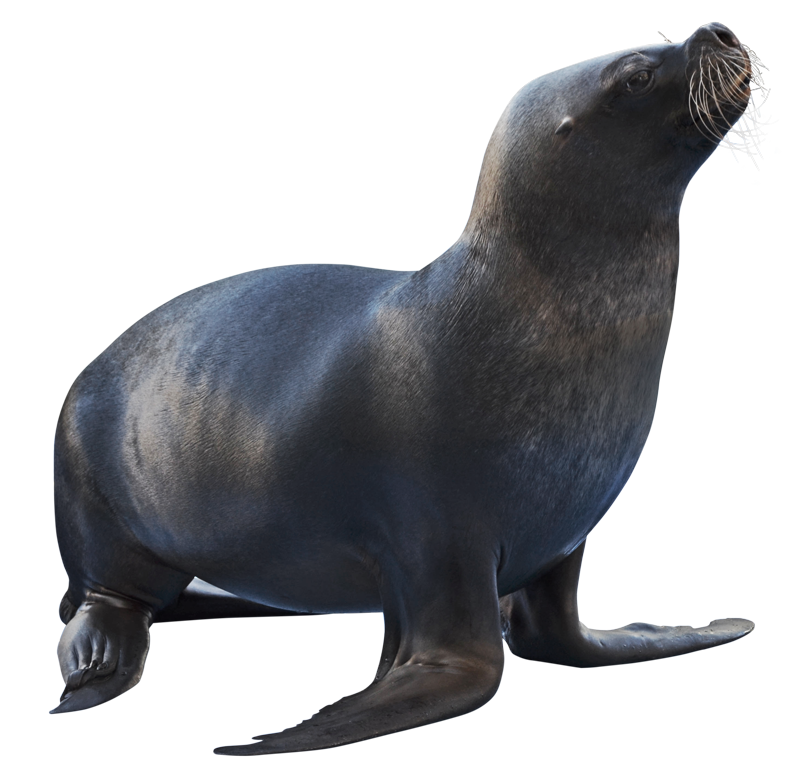
Otaria byronia (de Blainville, 1820)
耳の大きさで見分けるアシカ類
Distinguishing Sea Lions and Fur Seals by Ear Size
オタリアは南アメリカ大陸の太平洋岸から大西洋岸にかけて分布し、チリ、ペルー、ウルグアイ、アルゼンチンなどの沿岸域に生息する大型の鰭脚類です。岩礁海岸や砂浜に群れをつくり、繁殖や休息を行います。雄の成体は体長約2.1〜2.6m、体重300kg前後に達し、雌は体長1.5〜2m、体重150kg前後と小型で、顕著な性的二形が見られます。
体色は黒褐色でややオレンジがかった色合いを帯び、特に雄は大きく発達した頭部と筋肉質の首、頸部を覆うオレンジ色のたてがみ、やや上向きの吻が特徴で、この外見が「海のライオン」と呼ばれる由来となっています。一方、雌や未成熟個体にはたてがみは見られず、より細身の体型をしています。
本種は魚類を中心に頭足類や甲殻類などを食べる日和見的な捕食者で、地域によって食性が異なります。北部ではアンチョベータなどの小型魚や頭足類を主に利用し、チリ南部では養殖サーモンの利用も示唆されています。脂肪酸分析では陸上由来の成分(大豆などの植物性原料)が検出されており、養殖魚の飼料に由来すると考えられます。このような柔軟な食性により環境変化に適応する一方、餌を求めて漁場に接近することで、漁業との競合や混獲、養殖施設への侵入といった問題も生じています。
また、同じアシカ科の仲間であるアシカやオットセイ類とよく似ていますが、外耳の長さはオタリアが最も短く、次いでアシカ、最も長いのがオットセイであり、識別の手がかりとなります。体の大きさは逆にオットセイ、アシカ、オタリアの順に大きくなる傾向があります。属名 Otaria はラテン語で「小さな耳」を意味し、種小名 flavescens は「黄褐色になる」を意味しており、いずれも本種の特徴を反映したものです。
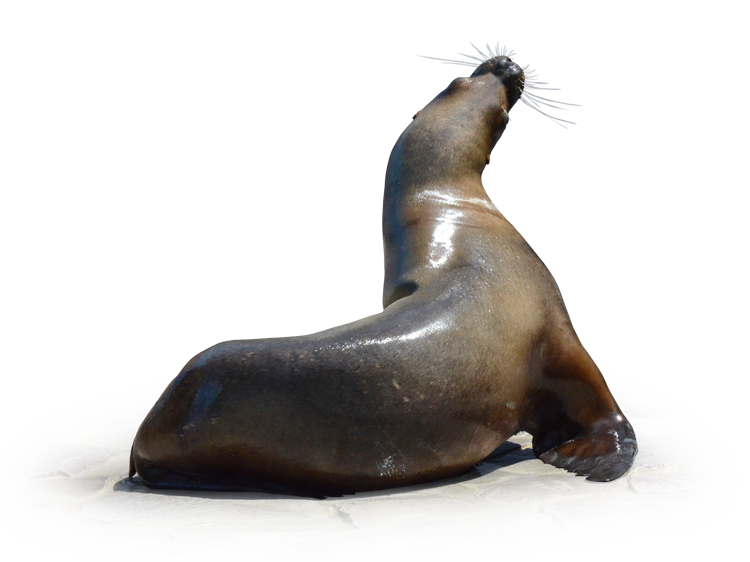
They have small ears and a rounded body
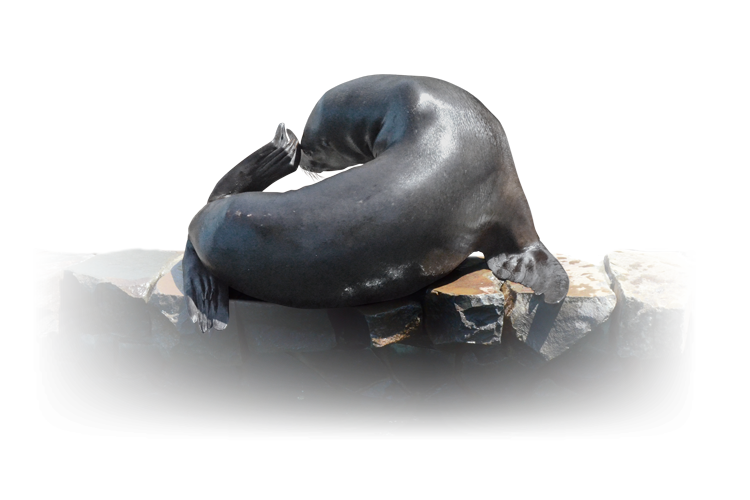
They can scratch their faces with the claws on their hind legs
The South American sea lion is a large pinniped distributed along both the Pacific and Atlantic coasts of South America, inhabiting coastal areas of Chile, Peru, Uruguay, and Argentina. It forms colonies on rocky shores and sandy beaches where it breeds and rests. Adult males reach 2.1–2.6 m in length and weigh around 300 kg, whereas females are smaller, measuring 1.5–2 m and weighing about 150 kg, showing pronounced sexual dimorphism.
The body is dark brown with a slightly orange tinge. Adult males are characterized by a large, well-developed head, a muscular neck, an orange mane covering the neck, and a slightly upturned snout, giving rise to the name “sea lion.” In contrast, females and immature males lack a mane and have a more slender appearance.
This species is an opportunistic predator that feeds mainly on fish, as well as cephalopods and crustaceans, with diet varying by region. In northern areas, it primarily consumes small fish such as anchoveta and cephalopods, whereas in southern Chile, the use of farmed salmon has been suggested. Fatty acid analyses have detected terrestrial-derived components (e.g., plant-based materials such as soy), which are thought to originate from aquaculture feed. While this dietary flexibility allows adaptation to environmental changes, it also leads to conflicts with fisheries, including competition, bycatch, and incursions into aquaculture facilities.
It closely resembles other members of the family Otariidae, such as sea lions and fur seals. However, the external ear is shortest in this species, longer in sea lions, and longest in fur seals, providing a useful identification feature. Body size shows the opposite trend, increasing from fur seals to sea lions to this species. The generic name Otaria derives from Latin meaning “small ear,” and the specific epithet flavescens means “becoming yellowish” or “yellow-brown,” both reflecting characteristics of the species.
参考文献
ASCII | 地方活性 | 横浜・八景島シーパラダイスの飼育員生きもの日記 第9回 | 【連載】溢れる魅力!海のライオン・オタリア | 西川 弥緒 (2021年12月10日) 2024年9月15日閲覧
じゃらんnet | じゃらんニュース | <水族館クイズ>アシカ、アザラシ、トド、オットセイ…海獣の見分け方知ってる? | (2020年5月4日) 2024年9月15日閲覧
エコチル | 【釧路市動物園だより】小さな耳たぶのあるアシカの仲間「オタリア」 | (2023年8月21日) 2024年9月15日閲覧
WWFジャパン | 南米の海のライオン「オタリア」| (2025年1月15日) 2026年4月18日閲覧