
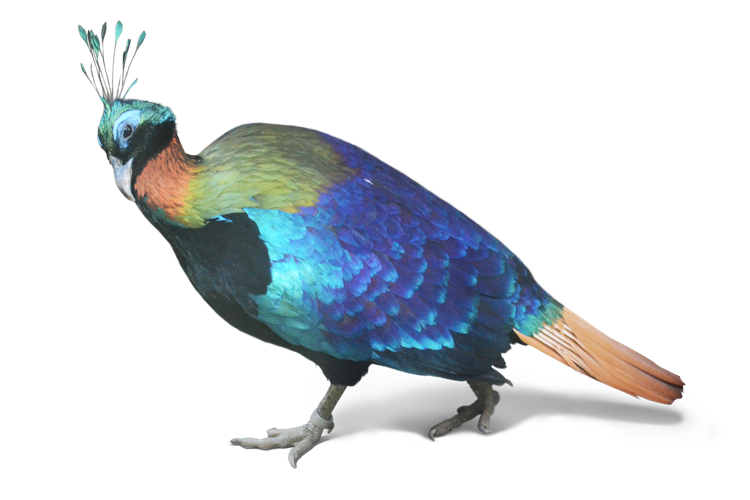
Lophophorus impejanus (Latham, 1790)
ニジキジは全長約70cmに達する大型のキジ類です。雄は頭部が金属光沢の緑色に輝き、背や翼は青・紫・銅色が混ざり合う虹色の光沢を帯び、飛翔時には白い腰と赤褐色の尾が鮮やかに映えます。長く湾曲した嘴と頑丈な脚を備え、地面や雪を掘り起こして採食します。雌は全体に褐色の斑模様で、岩場や低木林に溶け込む保護色となっています。
分布はヒマラヤ山脈一帯に及び、標高約2,000〜4,500mの亜高山帯から高山帯に生息します。夏は高所の草原や岩礫地で活動し、冬は積雪を避けてやや低い森林帯へ季節移動します。主に植物の根、芽、種子のほか、昆虫などの無脊椎動物も食べます。鮮やかな体色とは対照的に警戒心が強く、人目に触れる機会は多くありません。
ネパールでは「ダフェ」と呼ばれ、国鳥として広く親しまれています。民謡には山や春を象徴する存在として歌われ、虹色の羽は幸福や誇りの象徴ともされてきました。一方で乱獲や生息地の変化の影響も受けており、今日ではヒマラヤの自然を守る象徴的な鳥ともなっています。
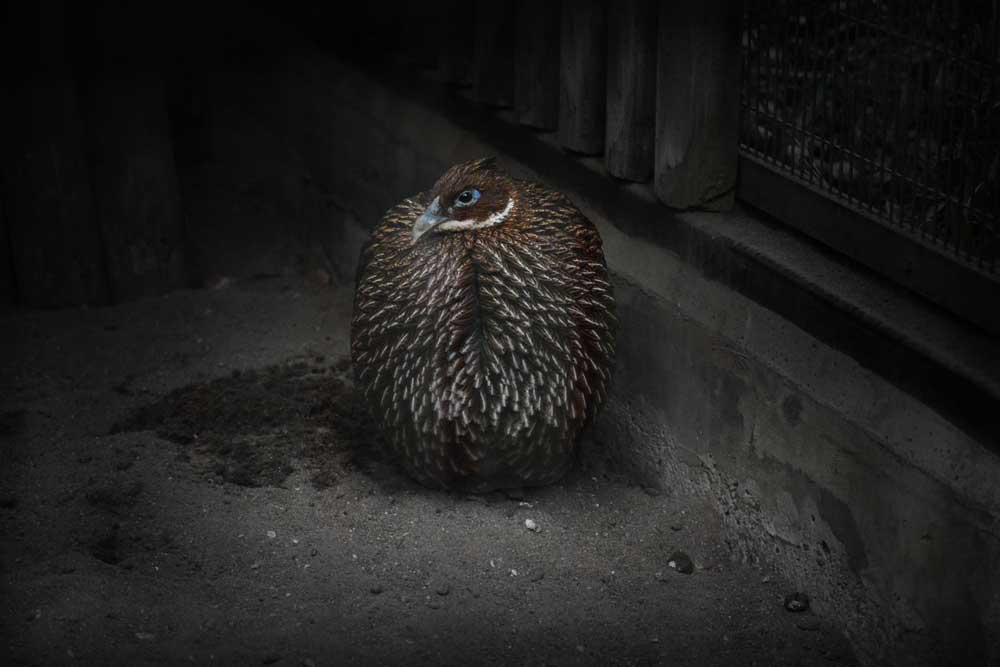
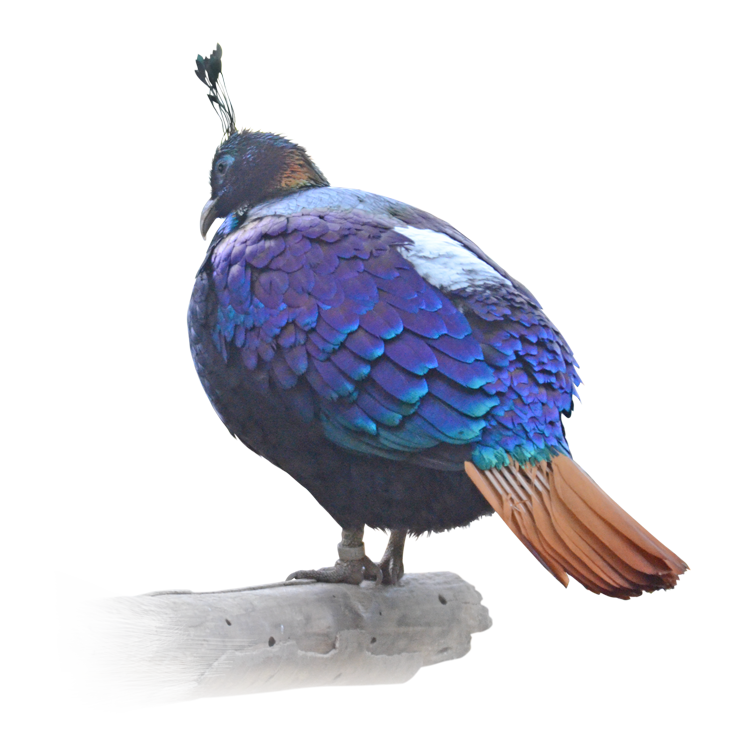
Himalayan Monal is a large pheasant reaching about 70 cm in length. The male has a metallic green head, while the back and wings shimmer with iridescent hues of blue, purple, and copper. In flight, its white lower back and chestnut tail stand out vividly. It possesses a long, downcurved bill and powerful legs, which it uses to dig into soil or snow in search of food. The female is overall brown with mottled patterns, providing effective camouflage among rocks and shrubs.
The species is distributed across the Himalayan range, inhabiting subalpine and alpine zones at elevations of approximately 2,000–4,500 meters. During summer it frequents high-altitude meadows and rocky slopes, descending to lower forested areas in winter to avoid deep snow. It feeds mainly on roots, shoots, and seeds, as well as insects and other invertebrates. Despite its brilliant plumage, it is wary and not easily observed.
In Nepal, where it is known as “Danphe,” it is widely cherished as the national bird. In folk songs it symbolizes the mountains and the coming of spring, and its iridescent feathers have long represented happiness and pride. Although once affected by hunting and habitat change, it is now regarded as an emblem of Himalayan nature and conservation.
参考文献
よこはま動物園ズーラシア | 動物検索 | ニジキジ 2026年3月20日閲覧
“Himalayan Monal” Birda. 2026年3月20日閲覧
“Himalayan monal (Lophophorus impejanus)” Morten ross. 2026年3月20日閲覧
“Beautiful Himalayan Monal (Danfe) Is Threatened: How to Save?” Anautho Satya. 2026年3月20日閲覧