
Equus grevyi (Oustalet, 1882)
仏大統領に献上されたシマウマ
The Zebra Presented to the French President
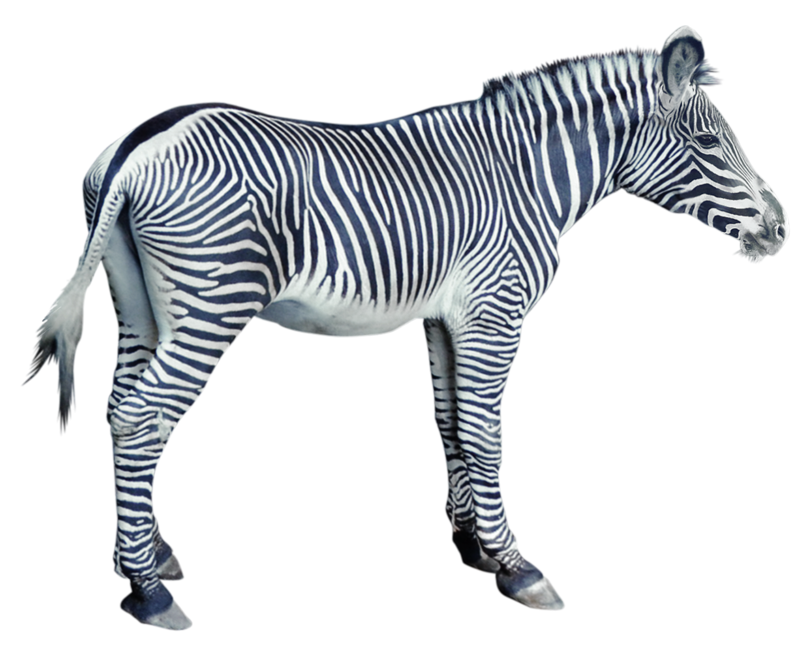
グレビーシマウマは、エチオピア南部からケニア北部にかけての乾燥した草原や半砂漠地帯に生息する、シマウマの仲間では最大種です。体長は240〜300cm、肩高は140〜160cm、体重は350〜450kgに達します。大きく丸みを帯びた耳と、全身を覆う細く密な縞模様が特徴で、腹部に縞がない点でも他のシマウマ類と区別されます。その縞模様は非常に美しく、野生動物の中でも特に印象的な体色を持つ動物として知られています。
ウマ属の動物は大きくウマ型とロバ型に分けられますが、グレビーシマウマはシマウマ類の中でも特にロバ類に近縁な種です。鳴き声も馬のようないななきではなく、ロバに似た大きな声を発します。群れを作るものの、平原シマウマほど結びつきは強くなく、雄は広い縄張りを持って生活します。また乾燥地への適応力が高く、水の少ない環境でも活動できることで知られています。化石研究からは、グレビーシマウマに近縁な野生ロバ類が、かつて現在のウズベキスタン周辺を含む西アジアにも分布していたことが示されています。
古代ローマ時代にはヨーロッパでも知られ、見世物としてサーカスで展示された記録があります。しかしその後、ヨーロッパでは長い間その存在がほとんど忘れられていました。1882年、エチオピアからフランス大統領ジュール・グレヴィーへ献上された個体が研究され、それまで知られていたシマウマとは異なる種であることが判明します。こうして大統領の名にちなみ、「グレビーシマウマ」と命名されました。
近年は開発による生息地破壊、家畜との競合、密猟、気候変動による植生悪化などの影響で個体数が激減しており、野生個体は約2000頭前後とされています。現在は絶滅危惧種として国際的な保護対象となっています。
The Grevy’s zebra inhabits dry grasslands and semi-desert regions of southern Ethiopia and northern Kenya, and is the largest species of zebra. Adults reach 240–300 cm in body length, stand 140–160 cm at the shoulder, and weigh 350–450 kg. It is distinguished by its large rounded ears and the narrow, densely packed stripes covering its body. Unlike other zebras, the belly lacks stripes. Its striking pattern is regarded as one of the most beautiful among wild mammals.
Members of the genus Equus are broadly divided into horse-like and donkey-like forms, and Grevy’s zebra is considered the zebra most closely related to wild asses. Its call also resembles the loud braying of a donkey rather than a horse’s neigh. Although it forms groups, their social bonds are looser than those of the plains zebra, and males maintain large territories. The species is highly adapted to arid environments and can survive for relatively long periods with little water. Fossil evidence suggests that wild asses closely related to Grevy’s zebra once ranged across western Asia, including areas around present-day Uzbekistan.
Grevy’s zebra was already known in Europe during the time of ancient Rome, when it was reportedly displayed in circuses and exhibitions. However, knowledge of the animal was largely forgotten in Europe for many centuries afterward. In 1882, an individual presented from Ethiopia to French president Jules Grévy was studied and recognized as a species distinct from previously known zebras. It was subsequently named “Grevy’s zebra” in honor of the president.
In recent decades, habitat destruction, competition with livestock, poaching, and vegetation changes caused by climate change have drastically reduced its population. Today, only around 2,000 individuals remain in the wild, and the species is internationally protected as endangered.
参考文献
About Grevy’s Zebra. Grevy’s Zebra Trust. 2024年9月7日閲覧
Grevy’s zebra. Smithsonian’s National Zoo & Conservation Biology Institute. 2024年9月7日閲覧
Grevy’s zebra. Animals, National Geographic. 2024年9月7日閲覧