
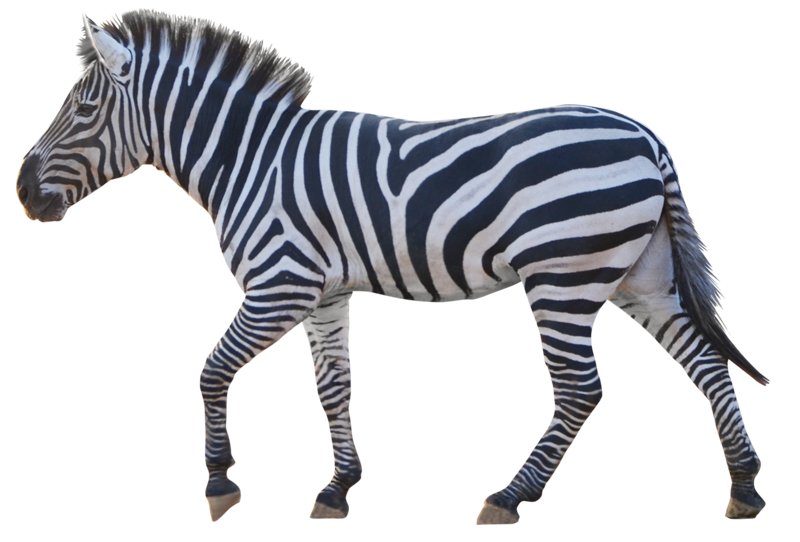
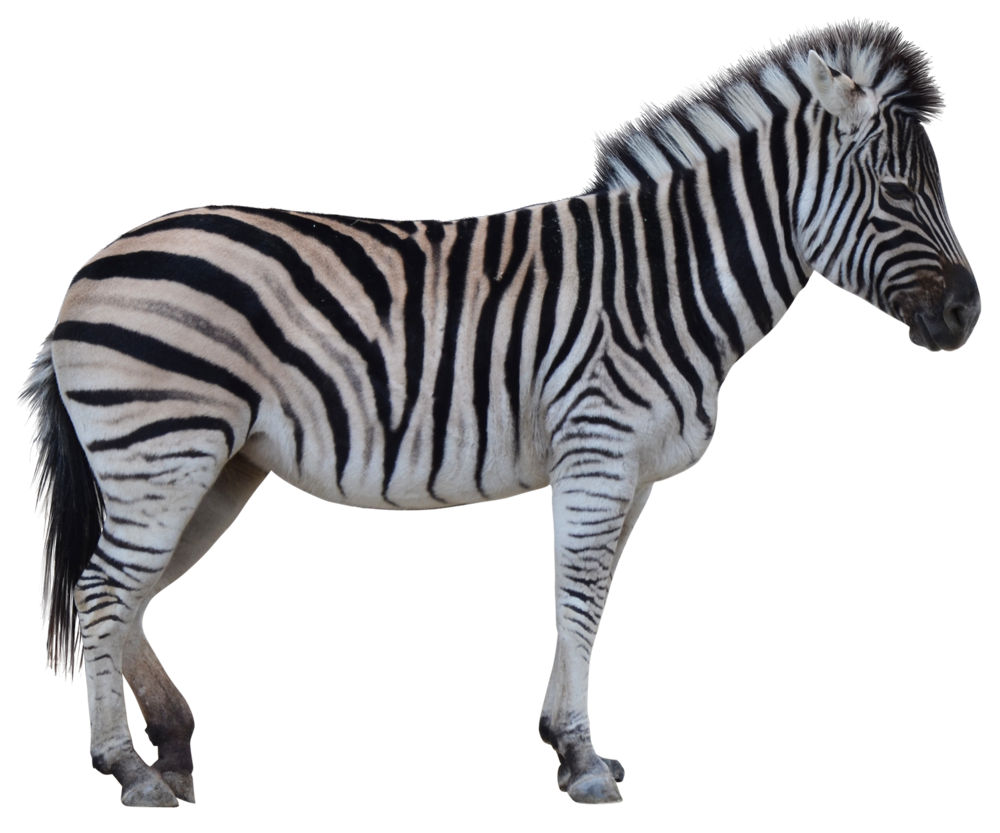
Equus quagga burchellii (Gray, 1824)
シマウマ界の最大勢力
The Dominant Force Among Zebras
アフリカ南部から東部にかけての草原(サバンナ)に広く分布するシマウマの一種で、体高は127~140cm、体長217~246cm、尾長47~56.5cmに達します。体重はオスで220~322kg、メスで175~250kgほどになり、シマウマ類の中では中型に位置づけられます。
シマウマの仲間は一般にヤマシマウマ、グレビーシマウマ、サバンナシマウマの3種に分けられ、それぞれ縞模様の特徴が異なります。本種グラントシマウマはサバンナシマウマの代表的な亜種のひとつで、比較的太くはっきりとした縞を持つのが特徴です。縞模様は個体ごとに異なり、仲間同士の識別や捕食者に対する視覚的攪乱などに役立つと考えられています。
主に開けた草原に生息し、イネ科植物を中心とした粗い草を食べます。消化能力が高く、他の草食動物が利用しにくい繊維質の多い植物も摂取できるため、草原において先駆的役割を担います。すなわち、丈が高く硬い草をいち早く食べることで草地の状態を変化させ、その後にヌーやガゼルなどが利用しやすい環境を作り出します。また、アフリカで家畜に被害をもたらすトリパノソーマ症(いわゆる眠り病)に対して比較的耐性を持つことでも知られています。
社会構造は、1頭のオスと複数のメスおよびその子からなるハーレム型の群れを基本とし、複数の群れが集まって大規模な集団を形成することもあります。繁殖は通年見られ、妊娠期間は約12か月、通常1頭の子を出産します。子は生後まもなく立ち上がり、群れとともに移動します。
サバンナシマウマ全体では約66万頭が確認されており、そのうち75%以上を本亜種が占めるとされます。他のシマウマ類に比べて個体数は比較的安定しており、現時点では深刻な絶滅の危機には瀕していませんが、生息地の改変や人間活動の影響には引き続き注意が必要です。
The Grant’s zebra is a subspecies of the plains zebra widely distributed across the savannas of eastern and southern Africa. It stands 127–140 cm at the shoulder, with a body length of 217–246 cm and a tail length of 47–56.5 cm. Males weigh approximately 220–322 kg, while females range from 175–250 kg, placing it in the medium size range among zebras.
Zebras are generally classified into three species—the mountain zebra, Grevy’s zebra, and the plains zebra—each distinguished by differences in stripe patterns. Grant’s zebra is one of the most representative subspecies of the plains zebra and is characterized by relatively broad and clearly defined stripes. These stripe patterns are unique to each individual and are thought to aid in individual recognition as well as in confusing predators.
This subspecies inhabits open grasslands and primarily feeds on grasses, including coarse, fibrous species that are difficult for many other herbivores to digest. Thanks to this ability, it plays a pioneering role in the grassland ecosystem. By grazing on tall, tough grasses first, it alters the vegetation structure and facilitates the growth of more nutritious, tender shoots, which can then be utilized by more selective grazers such as wildebeest and gazelles. It is also known to have a relatively high tolerance to trypanosomiasis (sleeping sickness), a disease that severely affects livestock in Africa.
Socially, Grant’s zebras typically form harems consisting of one male, several females, and their offspring, although multiple groups may gather into large herds. Breeding occurs throughout the year, with a gestation period of about 12 months, usually resulting in a single foal. Newborns are able to stand shortly after birth and quickly join the movement of the herd.
The total population of plains zebras is estimated at around 660,000 individuals, with more than 75% belonging to this subspecies. Compared to other zebra species, their population is relatively stable and they are not currently considered to be at serious risk of extinction. However, habitat loss and human activities remain ongoing concerns.
参考文献
釧路市動物園 | 飼育動物一覧 | グラントシマウマ | (2022年9月21日) 2024年9月7日閲覧
「グラントシマウマ」調査記録集第4号. 広島市安佐動物公園. (2000) 2024年9月8日閲覧
Plains Zebra (Equus quagga) Fact Sheet: Population & Conservation Status. San Diego Zoo Wildlife Alliance. 2024年9月8日閲覧