
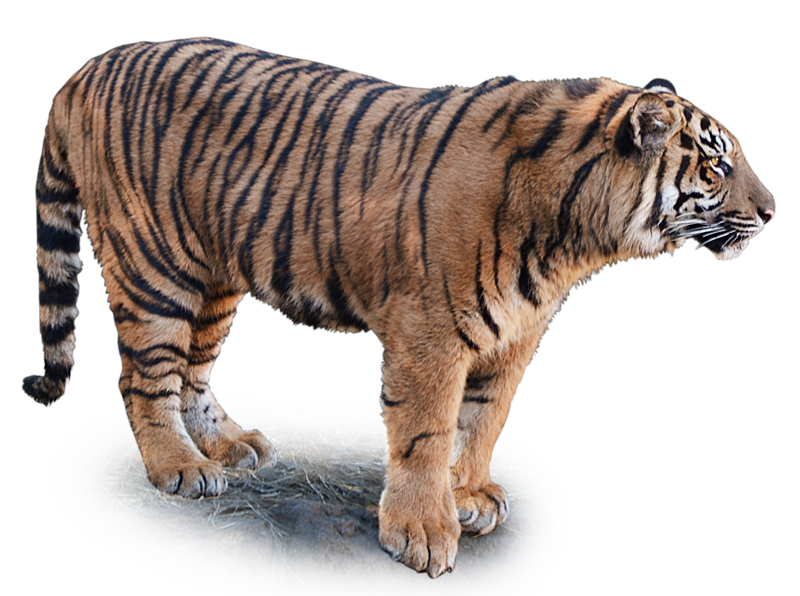
Panthera tigris sumatrae (Temmink, 1844)
森林を彷徨うトラ
The Last Tiger of the Rainforest
全長はオス220~270cm、メス200~230cm、体重はオス100~140kg、メス75~110kg。インドネシアのスマトラ島のみに生息するトラです。現存するトラの亜種の中では最も小型で、最も南に分布することでも知られています。オレンジ色の体毛に細く密な黒い縞模様が入り、熱帯雨林の薄暗い環境に溶け込みやすい姿をしています。長く発達した犬歯と強靭な筋肉を備えた優れた捕食者であり、島の生態系における頂点捕食者として重要な役割を担っています。
かつてインドネシアにはジャワ島のジャワトラ、バリ島のバリトラも生息していました。しかし20世紀のうちに両亜種は絶滅し、現在インドネシアに生き残る唯一のトラがスマトラトラです。その一方で本種も絶滅の危機に瀕しており、野生個体数は400頭前後と推定されています。国際自然保護連合(IUCN)では「近絶滅種(CR)」に分類されており、現存する大型ネコ科動物の中でも特に保護が急がれる種の一つです。
最大の脅威は生息地の破壊です。スマトラ島ではパーム油の原料となるアブラヤシ農園の拡大や伐採によって森林が分断され、トラが暮らせる環境は年々縮小しています。また、毛皮や骨などを目的とした密猟も深刻な問題です。インドネシアでは厳しい罰則が設けられていますが、違法取引は現在も続いています。さらに森林の縮小によって人間との接触が増え、家畜被害をきっかけとした衝突も発生しています。
スマトラトラは非常に適応力の高い捕食者で、シカ類やイノシシ、バク、サル類のほか、ときには魚や小型動物まで利用します。獲物が少ない地域では広い範囲を移動し、数十kmに及ぶ探索行動を行うこともあります。しかし、どれほど優れた狩人であっても、十分な獲物と広大な森林がなければ生きていくことはできません。スマトラトラの存続は、熱帯雨林そのものを守ることと密接に結びついています。本種を保護することは、一頭の大型獣を救うだけでなく、スマトラ島の豊かな森林生態系全体を未来へ残すことにもつながるのです。
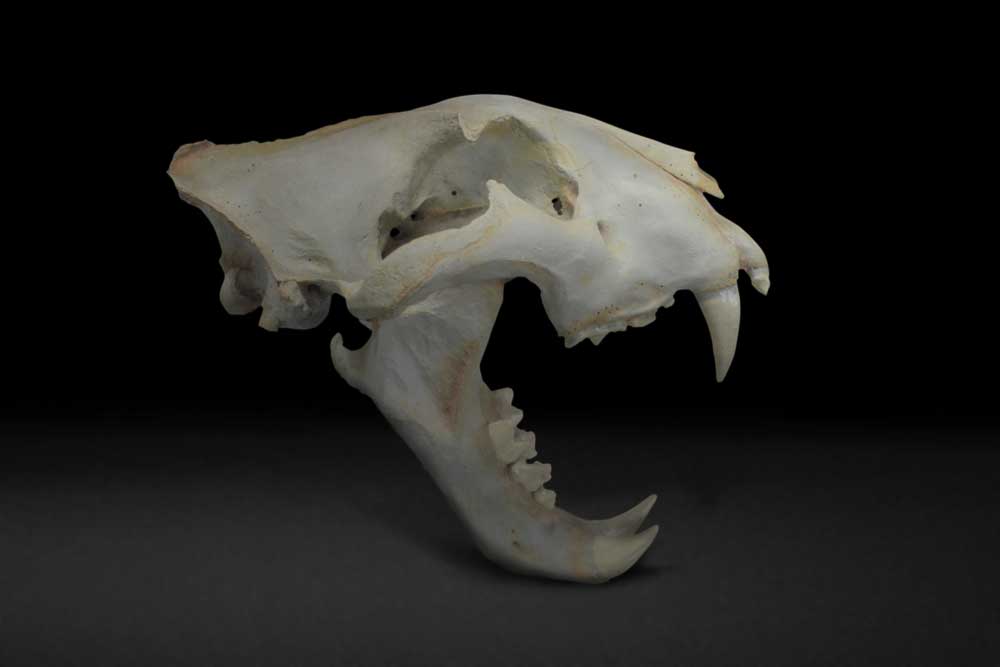
The Sumatran tiger is one of the most endangered tiger subspecies alive today. Adult males measure 220–270 cm in total length and weigh 100–140 kg, while females reach 200–230 cm and weigh 75–110 kg. This tiger is found only on the Indonesian island of Sumatra. It is the smallest of the surviving tiger subspecies and also the southernmost in distribution. Its orange coat is marked with narrow, closely spaced black stripes, a pattern that helps it blend into the dim light of tropical rainforests. Equipped with long canine teeth and powerful muscles, it is a highly effective predator and serves as the apex predator of Sumatra’s forest ecosystems.
Historically, Indonesia was home to three tiger subspecies: the Sumatran tiger, the Javan tiger, and the Bali tiger. The latter two became extinct during the twentieth century, leaving the Sumatran tiger as the only surviving tiger in the country. Unfortunately, it too faces a serious risk of extinction. The wild population is estimated at only around 400 individuals, and the subspecies is classified as Critically Endangered by the International Union for Conservation of Nature (IUCN). It is considered one of the world’s most threatened large cats.
The greatest threat to the Sumatran tiger is habitat loss. Across Sumatra, vast areas of rainforest have been cleared and fragmented for logging and the expansion of oil palm plantations, reducing the amount of suitable habitat available to tigers. Poaching remains another major danger. Although Indonesian law imposes severe penalties for killing or trading tigers, illegal hunting and wildlife trafficking continue. As forests shrink and human settlements expand, conflicts between tigers and people have also become more frequent.
The Sumatran tiger is an adaptable hunter capable of preying on a wide variety of animals. Its diet includes deer, wild pigs, tapirs, monkeys, and even fish and other small prey when opportunities arise. In areas where prey is scarce, individuals may travel dozens of kilometers in search of food. Yet even such a powerful predator cannot survive without extensive forests and abundant prey. The future of the Sumatran tiger is therefore inseparable from the future of Sumatra’s rainforests. Protecting this magnificent cat means preserving an entire ecosystem and the extraordinary biodiversity that depends upon it.
参考文献
WWFジャパン | これを読めばトラ博士?!絶滅危惧種トラの生態や亜種数は? | (2021年12月24日) 2024年8月3日閲覧
Sumatran tiger. Animals. NATIONAL GEOGRAPHIC. 2024年8月3日閲覧
Esquire | NEWS | 2008年に絶滅宣言されたトラが生存の兆し? 新たなDNA発見が示す可能性 | Orf, Darren | (2024年4月21日) 2024年8月3日閲覧
JTEFトラ・ゾウ保護基金 | トラとその保全について 2024年8月3日閲覧
“Our Sumatran tiger conservation work ” Sumatran Tiger Conservation, Zoological Society of London. 2026年7月25日閲覧