
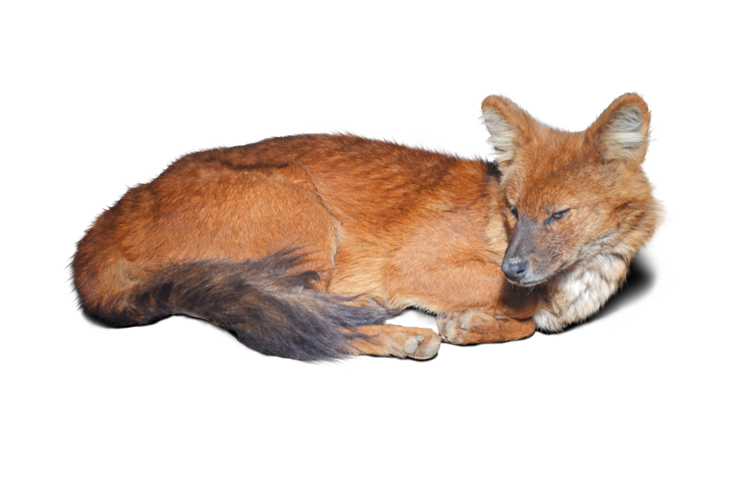
Cuon alpinus (Pallas, 1811)
口笛吹くハンター
The Whistling Hunter
ドールは体長約90〜110cm、尾長40〜45cm、体重10〜20kgほどの中型のイヌ科動物です。赤褐色の体毛と丸みのある耳、黒い尾の先が特徴で、引き締まった体と長い脚をもち、高い持久力を備えています。顔立ちはキツネを思わせる細い吻と大きな耳をもちますが、系統的にはキツネ類とは異なるグループに属します。数頭から十数頭の群れをつくり、協力して獲物を追い詰めます。主な獲物はシカ類やイノシシなどで、ときには自分より大きなスイギュウに挑むこともあります。
見た目はオオカミにも似ていますが、ドールはイヌ科の中でも比較的早い時期に分岐した系統で、現生では本種のみでドール属(Cuon属)を構成する単型属です。オオカミやイヌ、コヨーテ、ジャッカルを含むイヌ属とは、属の段階で明確に区別されます。
歯は40本で、キツネ類やオオカミ(Canis lupus)の42本より少なく、肉を切り裂く裂肉歯が発達しています。これは肉食への特化を示す特徴です。また遠吠えはせず、笛のような高い声で仲間と連絡を取り合う点も大きな違いです。
アフリカのリカオン(Lycaon pictus)とは比較的近縁で、約200万〜400万年前に共通祖先から分岐したと考えられています。両者の祖先の間には古い時代の遺伝子交流の痕跡も示唆されていますが、それぞれ別属として独自の進化を遂げました。ドールは、アジアに生き残った独自系統の社会性捕食者といえる存在です。
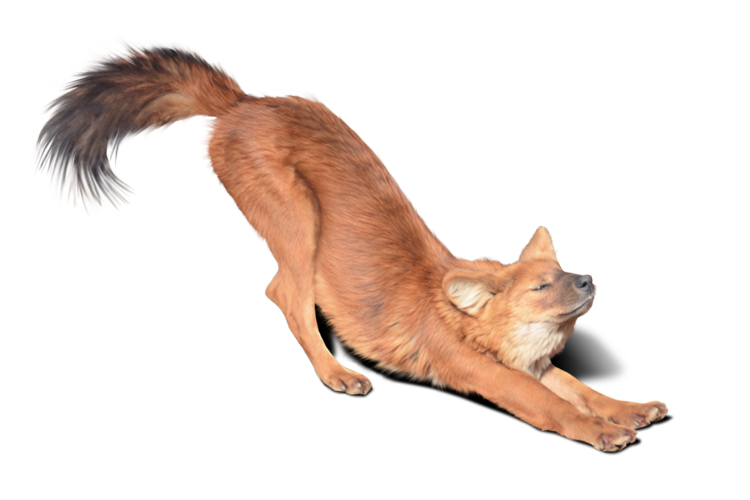
The dhole is a medium-sized member of the dog family, measuring about 90–110 cm in head–body length, with a tail of 40–45 cm and weighing 10–20 kg. It is characterized by its reddish coat, rounded ears, and a black-tipped tail. With a lean body and long legs, it possesses remarkable endurance. Its narrow muzzle and relatively large ears give it a fox-like appearance, yet it belongs to a lineage distinct from true foxes. Living in packs of several to over a dozen individuals, dholes cooperate to pursue prey such as deer and wild boar, and may even take down animals larger than themselves, including wild buffalo.
Although it resembles a wolf in appearance, the dhole represents an early-diverging lineage within the family Canidae. It is the sole living species of the genus Cuon, making it taxonomically unique. It is clearly distinct at the genus level from the genus Canis, which includes wolves, domestic dogs, coyotes, and jackals.
The dhole has 40 teeth—fewer than the 42 teeth typical of foxes and the gray wolf (Canis lupus)—with well-developed carnassial teeth adapted for slicing meat. Unlike wolves, it does not howl; instead, it communicates with high-pitched, whistle-like calls.
Genetically, the dhole is relatively closely related to the African wild dog (Lycaon pictus). The two lineages are thought to have diverged approximately 2–4 million years ago. Although traces of ancient gene flow between their ancestral populations have been suggested, each evolved independently as a separate genus. The dhole stands as a uniquely evolved social predator that survives today in Asia.
参考文献
澤栗秀太「口笛ハンター、ドールの会話」, 野生動物研究~動物に魅せられた若者たち~, 2016年4月発行, 京都大学野生動物研究センター 2026年3月20日閲覧
科学バー | 進化の目で見る生き物たち | 第9話 イヌの起源 | 長谷川政美 2026年3月20日閲覧
エレファント・トーク | No.118 ドール – おもしろ哺乳動物大百科 67 食肉目 イヌ科 | (2011年11月11日) 2026年3月20日閲覧