

Nymphicus hollandicus (Kerr, 1792)
ペットとして選ばれ続ける理由
Why Cockatiels Remain a Popular Pet
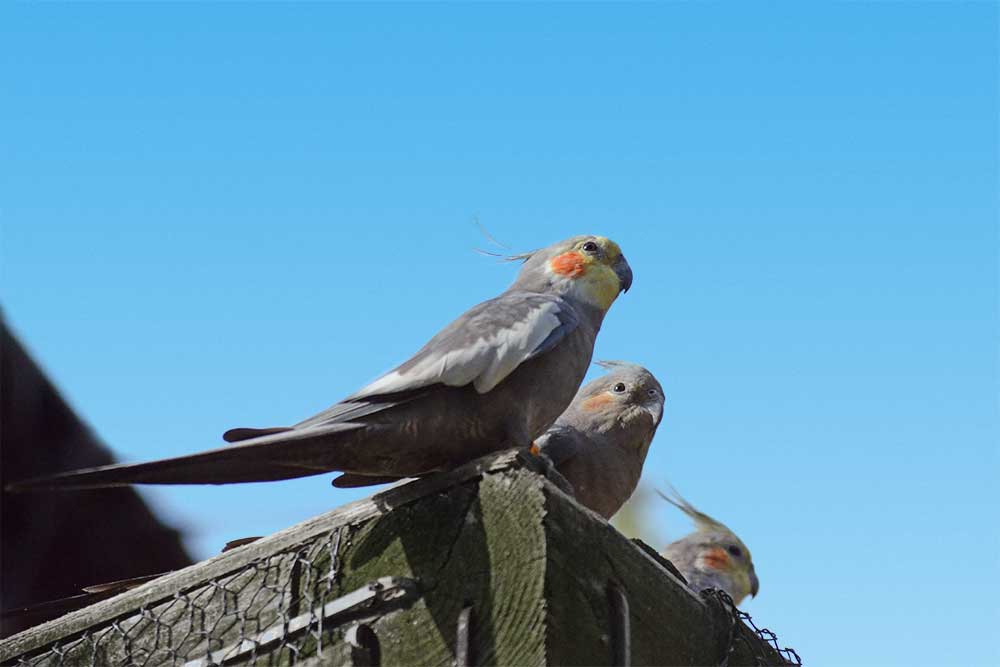
全長約30cm。インコと名がつきますが、頭部に冠羽をもつことからオウム科に属し、オウムの仲間の中では最小種です。原産地はオーストラリアで、セキセイインコと同様、乾燥した内陸部を中心に広く分布し、群れを形成して生活しています。
原種の体色は全体にグレーで、顔は黄色、頬にはチークを塗ったような橙色の斑が入るのが特徴です。約200年前からイギリスでペットとして飼育されるようになり、20世紀に入ると繁殖や品種改良が盛んになりました。1958年にはアメリカのブリーダーによって淡色のルチノー変種が作出され、これをきっかけに人気がさらに高まります。日本でも現在では、セキセイインコと並ぶ代表的な人気品種となっています。
野生のオカメインコは群れの仲間同士で密接に行動し、非常に社交的な性質を示します。この性質は飼育下でも変わらず、飼い主を仲間として認識し、信頼関係が築かれると自ら近づいたり、甘える行動を見せたりします。冠羽は感情表現に用いられ、立てているときは興味や警戒、半分立てた状態は落ち着いていることを示します。完全に寝かせている場合は、深くリラックスしているか、あるいは恐怖を感じていることがあります。雄は雌よりも発声が多く、歌や口笛、音声模倣によって周囲とコミュニケーションを取ろうとします。こうした好奇心の強さと豊かな愛情表現が、オカメインコがペットとして高い人気を保つ理由の一つです。
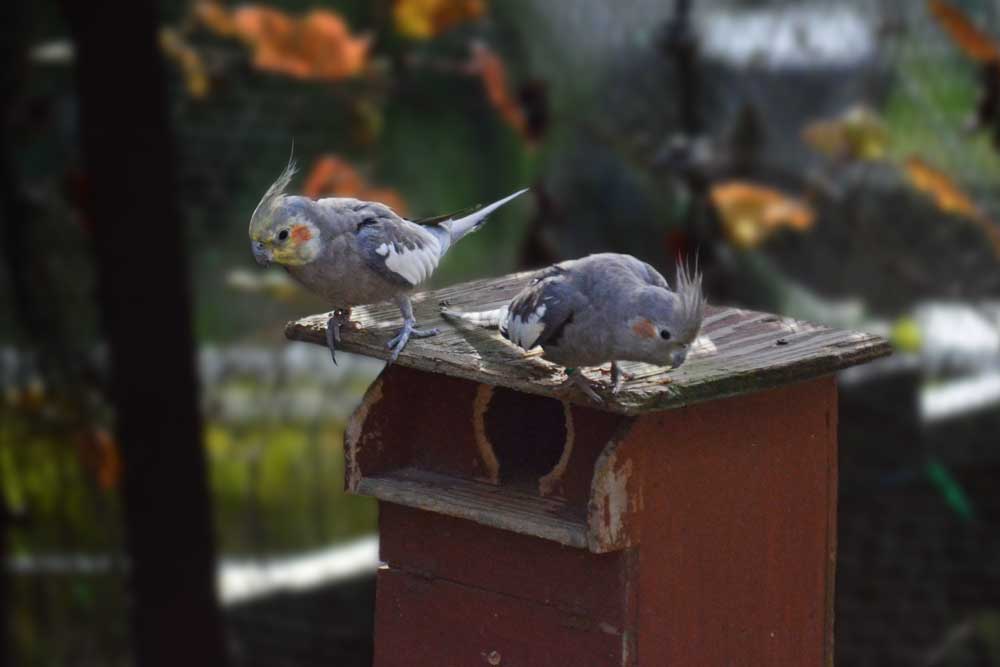
Total length about 30 cm. Although commonly called a parakeet, the cockatiel belongs to the cockatoo family because of the crest on its head, and it is the smallest member of the cockatoos. Native to Australia, it is widely distributed across the continent and, like the budgerigar, mainly inhabits arid inland regions where it lives in flocks.
The wild-type plumage is predominantly gray, with a yellow face and distinctive orange cheek patches resembling applied blush. Cockatiels began to be kept as pets in Britain about 200 years ago, and captive breeding and selective breeding became widespread during the 20th century. In 1958, an American breeder developed the pale-colored lutino mutation, which further increased the species’ popularity. Today, the cockatiel is one of the most popular companion birds in Japan, rivaling the budgerigar.
In the wild, cockatiels maintain close relationships within their flocks and display a highly social nature. This trait remains strong in captivity, where they often recognize their owners as flock members and, once trust is established, willingly approach them and show affectionate behavior. The crest plays an important role in expressing emotions: an upright crest indicates interest or alertness, a partially raised crest suggests relaxation, and a fully flattened crest may indicate deep relaxation or, at times, fear. Males tend to vocalize more than females and use songs, whistling, and sound imitation as forms of communication. This combination of curiosity and rich emotional expression is one of the main reasons the cockatiel remains a highly popular pet.
参考文献
AAA Nature Watch | 野生のセキセイインコやオカメインコを群れで見たいという方々へ | (2015年2月7日) 2025年12月29日閲覧
Rogers, Chris Dinesen (2025, March 26) “Where Do Cockatiels Originate? History & Current Status” Hepper blog. 2025年12月29日閲覧
“Lutino” (2014, April 4), Cockatiel Breeder Malaysia. 2025年12月29日閲覧
“Cockatiel Care: Essential Guide for a Happy & Healthy Bird” (2023, July 20), Petco Animal Supplies, Inc. 2025年12月29日閲覧